




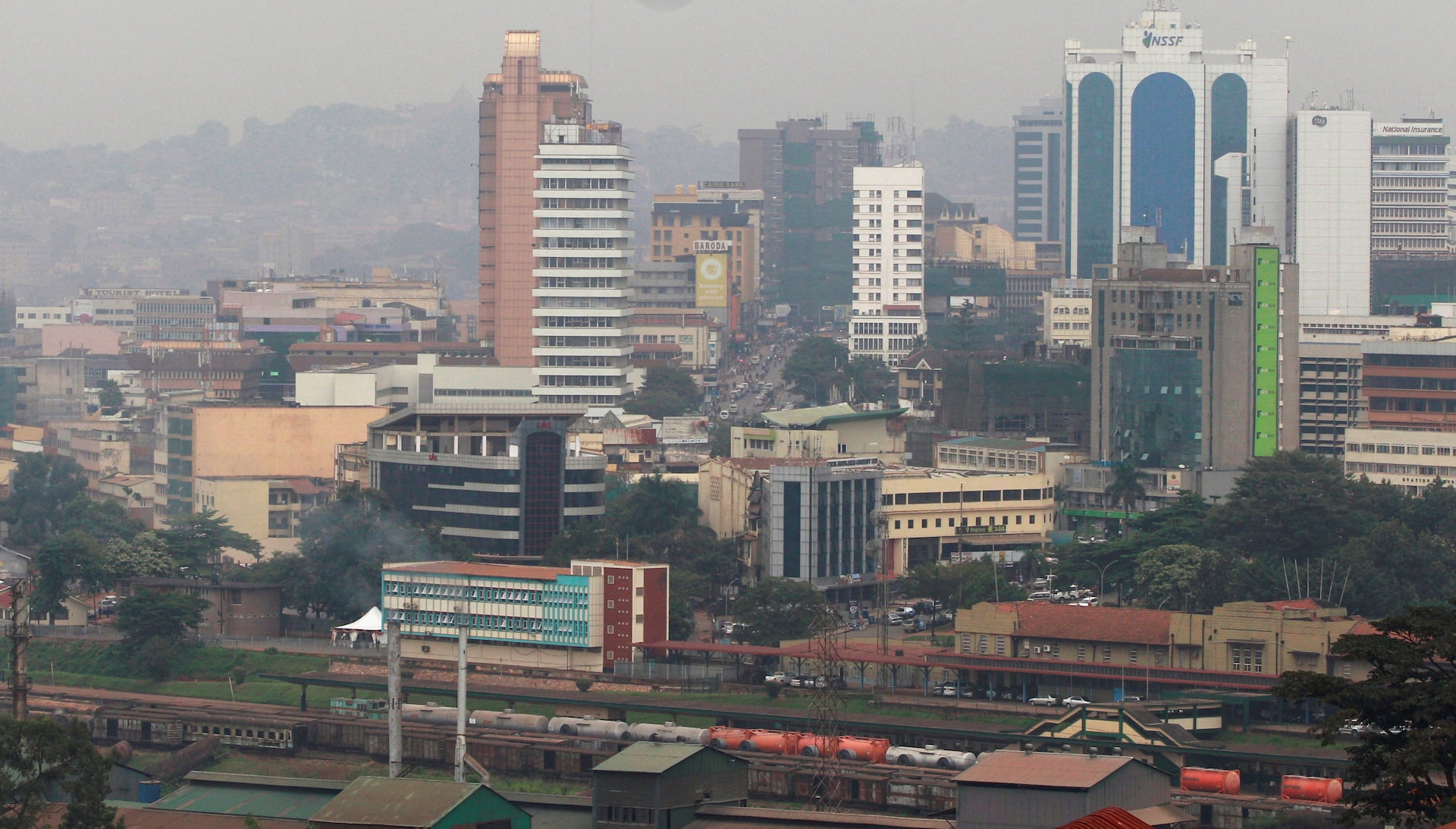
Uganda Plunged into Darkness: A massive system failure on the national grid has left the East African country in the dark, with a widespread power outage affecting millions of people. On Friday night, a total blackout swept across Uganda, catching residents off guard and sparking public frustration over the country’s chronic power instability. The blackout, which is believed to have been triggered by a failure in the national grid, has been attributed to the Uganda Electricity Transmission Company Limited (UETCL), which manages the high-voltage transmission network. The Uganda Electricity Distribution Company Limited (UEDCL) has also issued an urgent outage alert to its customers, warning them of the shutdown. As the country struggles to come to terms with the latest power crisis, residents are left to wonder when the lights will come back on and the electricity will flow once again.
Grid Collapse Causes Widespread Power Outage Across Uganda
A massive system failure on the national grid plunged Uganda into total darkness on Friday night, June 5, 2026, at exactly 9:07pm. The Uganda Electricity Transmission Company Limited (UETCL) issued an emergency notice confirming the nationwide blackout. The incident has rekindled public frustration over chronic power instability in the country, particularly as Uganda transitions into a new era of state-managed electricity.
The blackout has caused widespread inconvenience, with the Uganda Electricity Distribution Company Limited (UEDCL) issuing an urgent outage alert to its customers. The company attributed the shutdown to the transmission network. Highly placed sources within the sector pointed to an unconfirmed fault at the Owen Falls Dam (Nalubaale Power Station) in Jinja as a potential trigger for the sudden collapse. However, the exact cause of the grid failure remains unclear.
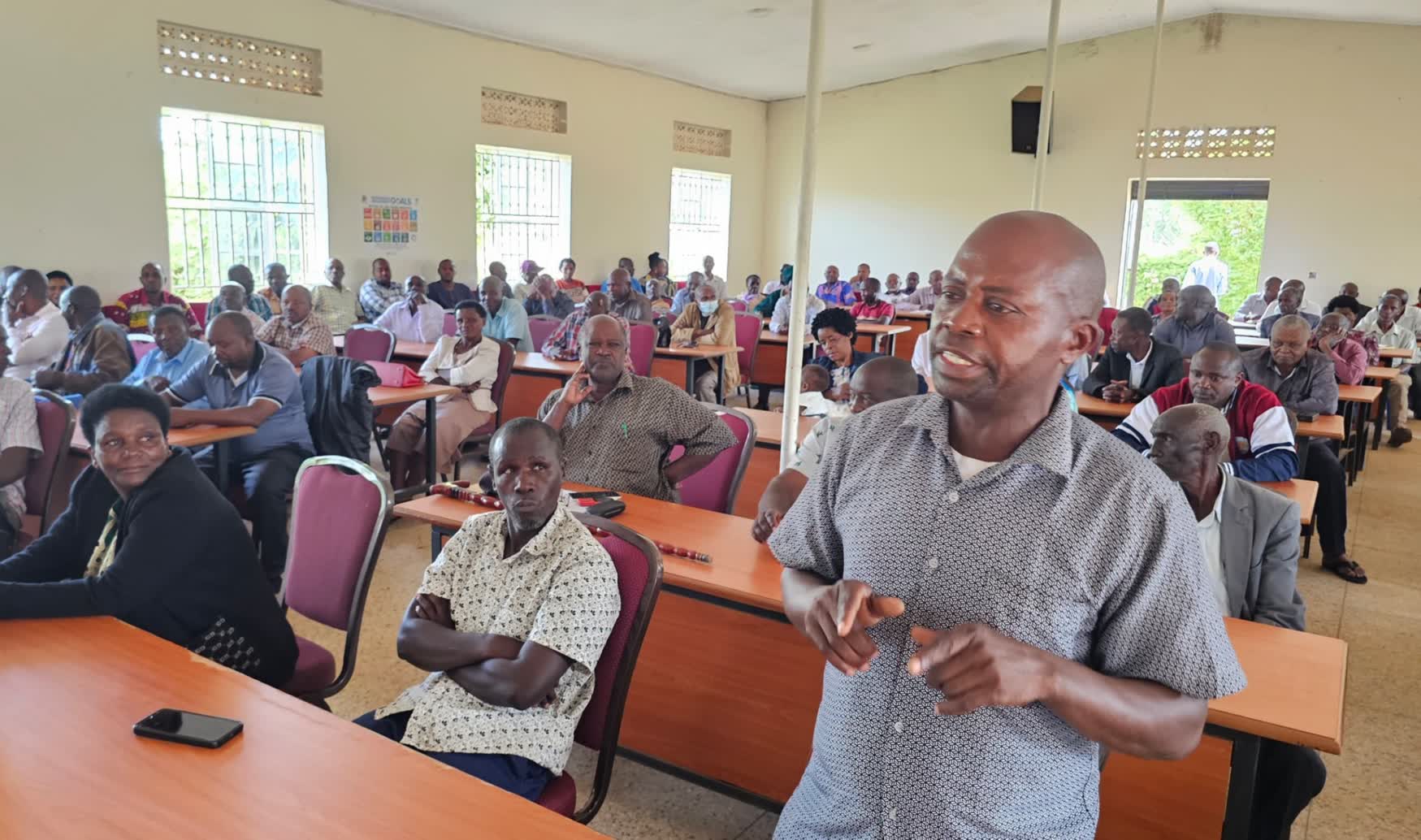
The power outage has brought various sectors to a standstill, with Lwengo district being one of the hardest-hit areas. The district has been without electricity for three months, leading to service disruptions and sparking protest threats. The situation highlights the need for a reliable and efficient power supply system in Uganda, particularly as the country continues to transition to a new era of state-managed electricity.
Causes of the Grid Failure Remain Unclear

The causes of the national grid failure in Uganda remain unclear, with no official explanation provided by the Uganda Electricity Transmission Company Limited (UETCL) or the Uganda Electricity Distribution Company Limited (UEDCL). Highly placed sources within the sector pointed to an unconfirmed fault at the Owen Falls Dam (Nalubaale Power Station) in Jinja as the trigger for the sudden collapse. This suggests that the issue may be related to the power generation side of the grid, rather than the transmission or distribution networks.
The fact that the UETCL has deployed technical teams to investigate the root cause of the failure indicates that the company is taking the issue seriously and is working to identify the underlying cause of the problem. However, the lack of a clear explanation for the grid failure has left many questions unanswered, including the extent to which the Owen Falls Dam fault may have contributed to the collapse. The UETCL’s initial statement offered regrets for the widespread inconvenience caused by the blackout, but provided little insight into the cause of the failure.
The uncertainty surrounding the causes of the grid failure has raised concerns about the reliability of Uganda’s power supply and the ability of the country’s electricity sector to manage its infrastructure effectively. As the country transitions into a new era of state-managed electricity, the grid failure has highlighted the need for greater investment in the sector and improved management practices to prevent similar incidents in the future.
Economic Impact of the Power Outage Felt Across Sectors

The economic impact of the power outage is likely to be felt across various sectors in Uganda. The nationwide blackout, which occurred on Friday night, has already disrupted business operations and daily activities. The power outage has also raised concerns about the reliability of the national grid, which is managed by the Uganda Electricity Transmission Company Limited (UETCL) and the Uganda Electricity Distribution Company Limited (UEDCL).
The power crisis is expected to have a significant impact on the country’s economy, particularly in the manufacturing and services sectors. The Uganda Electricity Distribution Company Limited (UEDCL) has attributed the shutdown to the transmission network, highlighting the need for investment in the country’s energy infrastructure. The power outage has also raised questions about the effectiveness of the country’s energy management policies and the ability of the government to ensure a stable power supply.
The economic impact of the power outage is likely to be felt in the short and long term. In the short term, businesses may experience losses due to the disruption of operations, while in the long term, the power outage may lead to a decline in investor confidence and a reduction in economic growth. The power outage has also highlighted the need for the government to invest in renewable energy sources and improve the efficiency of the national grid.
Public Response to the Power Outage Varies
As the nation grapples with the aftermath of the nationwide blackout, public reaction has been varied. Some Ugandans have taken to social media to express frustration and disappointment over the chronic power instability, while others have chosen to remain calm and patient. The Uganda Electricity Transmission Company Limited (UETCL) has been at the receiving end of public criticism, with many questioning the effectiveness of its management and maintenance practices.
The power outage has also brought to the forefront the issue of the Owen Falls Dam (Nalubaale Power Station) in Jinja, which is reportedly at the center of the crisis. Highly placed sources within the sector have pointed to an unconfirmed fault at the dam as the trigger for the sudden collapse of the high-voltage system. The incident has sparked renewed calls for greater transparency and accountability in the management of Uganda’s power infrastructure.
As the investigation into the cause of the blackout continues, the public is eagerly awaiting a resolution to the crisis. The Uganda Electricity Distribution Company Limited (UEDCL) has issued urgent outage alerts to its customers, attributing the shutdown to the transmission network. The incident has highlighted the need for a more robust and reliable power supply system in Uganda, and the government is under pressure to take decisive action to address the issue.
Government Response to the Power Outage Underway
The Uganda Electricity Transmission Company Limited (UETCL) has confirmed that its technical teams have been deployed to investigate the root cause of the national grid failure that led to the widespread blackout across the country. In an initial statement, the company expressed regrets for the inconvenience caused by the power outage. The nationwide blackout occurred at exactly 9:07pm on Friday, June 5, 2026, plunging the country into total darkness.
As the situation unfolds, the Uganda Electricity Distribution Company Limited (UEDCL) has issued an urgent outage alert to its customers, attributing the shutdown to the transmission network. The company’s prompt response to the situation suggests that it is taking the necessary steps to address the crisis. UETCL’s technical teams are working around the clock to restore the grid and minimize the impact of the power outage. The company’s swift action is a testament to its commitment to providing reliable electricity services to the people of Uganda.
The government’s response to the power outage is still underway, with officials working closely with the electricity distribution and transmission companies to restore power supply to affected areas. The government has assured the public that it is doing everything possible to mitigate the effects of the power outage and ensure a swift return to normalcy. As the situation continues to unfold, the government’s response will be closely monitored to ensure that the needs of the affected communities are met.
Long-Term Consequences of the Power Outage Uncertain
The recent national grid failure that plunged Uganda into darkness has left many wondering about the long-term consequences of this power outage. The country’s transition to a state-managed electricity system, which began just as the blackout occurred, has added to the uncertainty. As Uganda navigates this new era of electricity management, the reliability of the power grid is a pressing concern.
The Uganda Electricity Transmission Company Limited (UETCL) has confirmed that its technical teams are investigating the root cause of the grid failure. However, highly placed sources within the sector have pointed to an unconfirmed fault at the Owen Falls Dam (Nalubaale Power Station) in Jinja as the trigger for the sudden collapse. This development raises questions about the maintenance and upkeep of Uganda’s power infrastructure, which is critical to ensuring a stable electricity supply.
The long-term consequences of the power outage are uncertain, but one thing is clear: Uganda’s power grid is in need of significant improvement. The country’s electricity crisis has been ongoing for some time, and the recent blackout is a stark reminder of the need for a more reliable and efficient power supply system. As Uganda moves forward, it will be essential to address the underlying issues that led to this grid failure and implement measures to prevent similar incidents in the future.